五、阅读理解
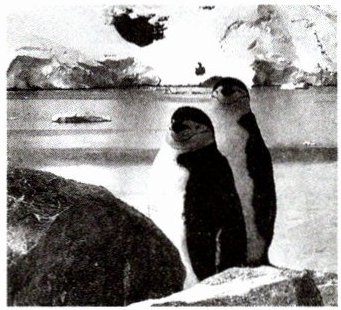
Antarctica(南极洲)is the coldest, windiest, and emptiest place on the earth. But it is also home to penguins(企鹅)and many kinds of ocean life.
The cold weather over millions of years has created a huge layer(层)of ice that covers Antarctica. In some places, the ice is about 20 metres thick. But its continent(大陆)is also one of the driest deserts on the earth.
Humans have explored(探索)the area for years. The first human to set foot on land in Antarctica is said to be John Davis, a US seal(海豹)hunter, in 1821. Travellers visit the coast of Antarctica during summer, which is from November to February in the southern hemisphere(半球). They get to see penguins, seals, whales and a beautiful icy view.
But who lives and works in Antarctica? They are mostly scientists and those who help them carry out their research(研究).
The National Science Foundation(NSF)is a US organization. Polar Programmes, which is part of the NSF, helps scientists in both the Arctic and the Antarctic.
"Each year, we send more than 100 teams of scientists to our three research stations in Antarctica," Polar Programmes spokesman Peter West said.
Some scientists study the movement of glaciers(冰川)or the activity of volcanoes(火山). Others study animals such as whales, seals, birds, and fish. There are even scientists looking for dinosaur(恐龙)bones!
(
B
) 1. We would NOT describe Antarctica as being
.
A. windy
B. green
C. cold
D. deserted
(
D
) 2. Paragraph 3 is mainly about
in Antarctica.
A. travelling
B. special animals
C. scientific findings
D. human exploration
(
C
) 3. The scientists in Antarctica study
.
a. animals
b. glacier movement
c. human history
d. volcanic activities
A. abc
B. acd
C. abd
D. bcd
(
D
) 4. What would be the best title for this passage?
A. Missing Glaciers.
B. The Last Dinosaur.
C. Protect Antarctica.
D. Get to Know Antarctica.
(
D
) 5. We can probably find this passage in a
.
A. storybook
B. film poster
C. sports report
D. geography magazine
Exercise 3 of Unit 6 of 7B Reading (Ⅱ)