根据图片及提示,选择合适的单词或短语,用适当形式填空,完成句子。
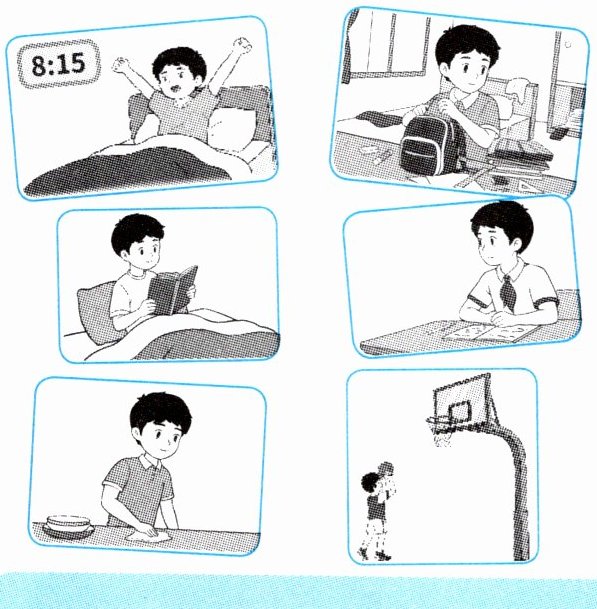
clean the table do exercise
get up late read in bed
do chores listen
bad for his health
clean and tidy
Pengpeng is a good student. He has many good habits. He does well at school. He (1)
carefully to his teachers and takes notes in class. After class, he (2)
on the sports ground. He likes playing basketball with his friends. Pengpeng also (3)
at home. He often (4)
after dinner.
But he has some bad habits too. He never keeps his room (5)
. He always and (6)
in the morning. He never has breakfast. It’s (7)
. He likes reading. But he (8)
. That is bad for his eyes.
答案:1. listens
2. does exercise
3. does chores
4. cleans the table
5. clean and tidy
6. gets up late
7. bad for his health
8. reads in bed
解析:
本题考查一般现在时的动词变形和短语语境匹配,主语Pengpeng是第三人称单数,描述日常习惯的一般现在时句子中,谓语动词要变为第三人称单数形式,结合图片内容和给出的提示短语逐一匹配:
1. 对应“认真听老师讲课”的语境,选动词listen,变为三单形式listens;
2. 对应“在操场运动”的语境,选短语do exercise,变为三单形式does exercise;
3. 对应“在家的好习惯”的语境,选短语do chores,变为三单形式does chores;
4. 对应“晚饭后的家务动作”的语境,选短语clean the table,变为三单形式cleans the table;
5. 对应“keep+宾语+形容词”的固定搭配,表达保持房间的状态,选短语clean and tidy;
6. 对应“早上的坏习惯、8点15才起床”的语境,选短语get up late,变为三单形式gets up late;
7. 对应“不吃早饭的影响”的语境,选短语bad for his health;
8. 对应“对眼睛有害的阅读坏习惯”的语境,选短语read in bed,变为三单形式reads in bed。
一、认读下列短语和句子。
1. good habits
2. listen carefully
3. take notes
4. do chores at home
5. Aunt Alice comes to see Tina and Bobby.
6. He misses you very much.
7. Bobby never keeps his room tidy.
8. Yang Ling has many good habits.
9. She reads a lot of books.
10. He does exercise every day.
答案:各短语和句子对应的中文释义如下:
1. 好习惯
2. 认真听讲
3. 记笔记
4. 在家做家务
5. 爱丽丝阿姨来看蒂娜和博比。
6. 他非常想念你。
7. 博比从不保持他的房间整洁。
8. 杨玲有许多好习惯。
9. 她读很多书。
10. 他每天做运动。
解析:
本题是译林版五年级上册英语的认读专项练习,要求同学们能够正确拼读这些短语和句子,掌握对应的中文含义,巩固本单元和生活习惯相关的核心词汇与常用表达。
二、看图,参考所给句型编一段对话。
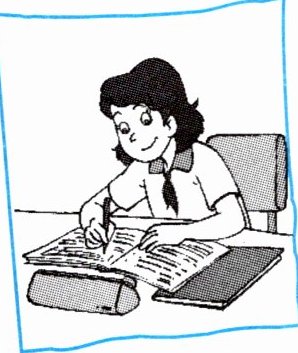
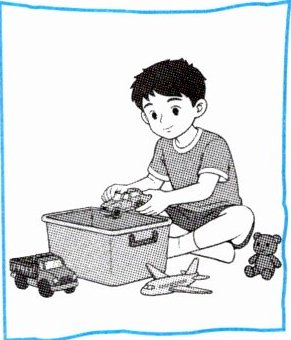
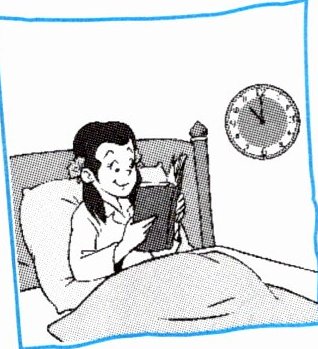
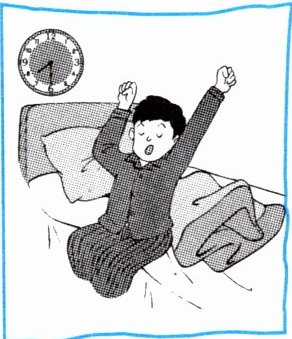
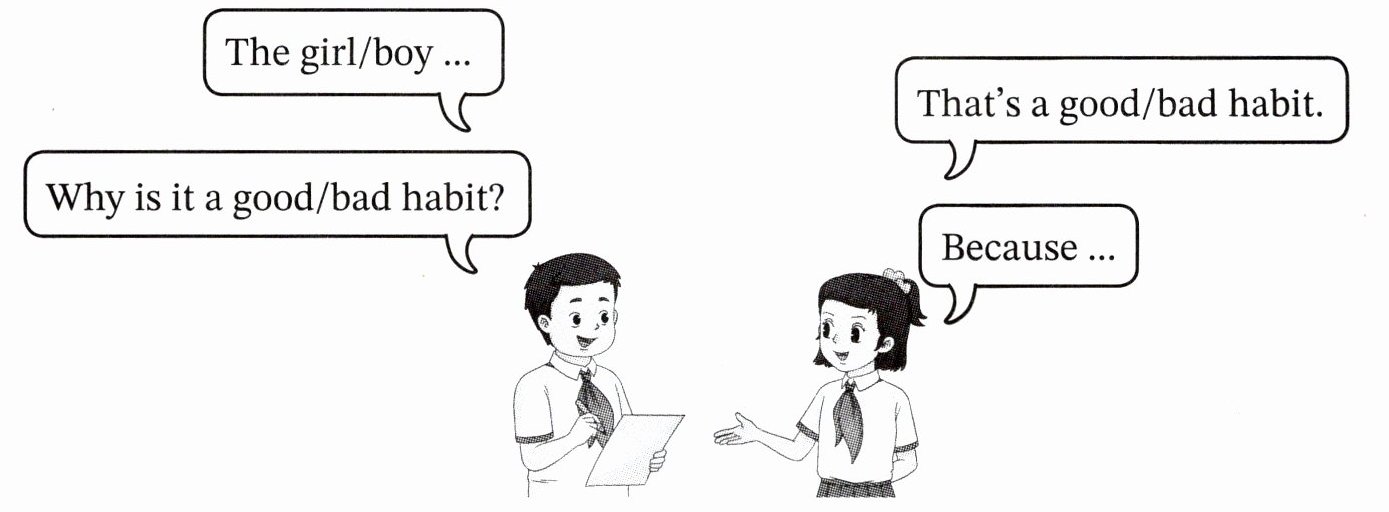
The girl/boy ...
Why is it a good/bad habit?
That’s a good/bad habit.
Because ...
答案:参考对话示例:
A: The girl does her homework carefully at the desk.
B: That's a good habit.
A: Why is it a good habit?
B: Because she can finish her homework well.
A: The boy puts his toys in the box after playing.
B: That's a good habit.
A: Why is it a good habit?
B: Because he can keep his room tidy.
A: The girl reads in bed at 11 o'clock at night.
B: That's a bad habit.
A: Why is it a bad habit?
B: Because it's bad for her eyes.
A: The boy gets up early at half past seven.
B: That's a good habit.
A: Why is it a good habit?
B: Because he will never be late for school.
解析:
这是一道情景创编题,要求结合四幅图展示的不同日常行为场景,使用题目给出的指定句型,围绕好习惯、坏习惯的主题编写对话,所用表达均选用五年级上册已掌握的基础词汇,符合该年级的学习要求。