三、完形填空
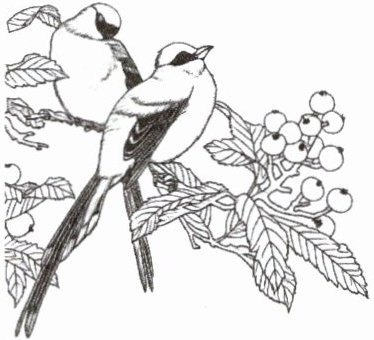
Embroidery (刺绣) is a shining star in Chinese art. It is a
1 craft. Today, we can find embroidery on many
2. It has a special
3 that draws people in.
China was the first to
4 silk, which made silkworm raising, silk reeling (缫丝), and weaving (编织) possible. This led to the growth of silk threads (线) and fabrics (织物), and
5 embroidery become possible.
The
6 known embroidered item in China is from the
7 Dynasty. In the Han Dynasty, embroidery grew
8 and showed people's standing in society. The Tang Dynasty saw a big jump in embroidery's
9 and art styles. Since then, embroidery has kept growing and formed
10 styles.
There are
11 main schools of Chinese embroidery: Xiang, Shu, Su, and Yue.
Xiang embroidery comes from Hunan Province. It uses soft thread and is based on
12 Chinese painting. Shu embroidery is from Sichuan Province. It's mostly used for
13 things like quilt (被子) covers and clothes, with designs of flowers, birds, insects, and fish. Su embroidery, from Jiangsu Province, has a strong folk feel. It's known
14 being peaceful and nice. Its weaving ways are very clear. Yue embroidery, from Guangdong Province, has
15 and bright colours. Its designs, like dragons, phoenixes, and flowers, are organized.
(
A
) 1. A. national
B. modern
C. simple
D. foreign
(
B
) 2. A. walls
B. clothes
C. books
D. shoes
(
D
) 3. A. colour
B. smell
C. taste
D. magic
(
C
) 4. A. sell
B. buy
C. make
D. find
(
B
) 5. A. closed
B. made
C. took
D. opened
(
A
) 6. A. oldest
B. newest
C. best
D. latest
(
C
) 7. A. Ming
B. Qing
C. Shang
D. Song
(
B
) 8. A. slowly
B. quickly
C. slow
D. quick
(
C
) 9. A. sizes
B. shapes
C. skills
D. materials
(
D
) 10. A. beautiful
B. creative
C. ordinary
D. different
(
B
) 11. A. fourth
B. four
C. five
D. fifth
(
D
) 12. A. Western
B. Eastern
C. modern
D. traditional
(
C
) 13. A. useful
B. cheap
C. everyday
D. expensive
(
B
) 14. A. to
B. for
C. as
D. by
(
A
) 15. A. rich
B. soft
C. local
D. deep