六、(2025·南京市秦淮区一模)首字母填空。
新素材 人文地理 In North-west China lies the Taklamakan Desert—a huge golden sand sea covering 337,000 square kilometres. For centuries, the desert spreads
s 1 , eating up fields and houses. Its strong winds covered villages with sand and
f 2
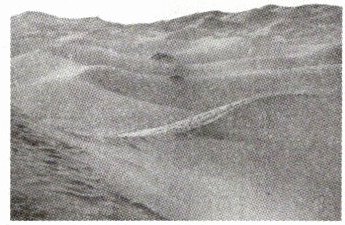
farmers to leave their homelands.
Now, local farmers and workers are planting a “green wall”—thousands of kilometres of trees, bushes and grass, to
s 3 the desert growing. These plants act like glue, keeping the sand in place. This sand-fixing planting is turning the desert into a green wall. Rows of the green wall have now prevented 70% of moving sand in some areas. Farmers
e 4 grow wheat and fruit behind the green wall, bravely fighting the desert's terrible living conditions.
Workers use smart
m 5 to fight the desert. For example, drones(无人机) fly over remote places, dropping seeds (种子) and carrying water to help plants grow. Moreover, electronic tools under the ground check how
w 6 the soil is all the time, like doctors keeping records of patients' health. When it's time to water, they send messages to farmers' phones. At the same time, underground pipes transport water carefully to
a 7 waste. These technologies provide a high level of service for all the farmers.
The green wall also
b 8 life back. Birds return to their homes among the plants. Small animals like rabbits and insects find cover in the growing green spaces. China plans to build this wall across the whole of the Taklamakan. If it is
s 9 , other desert countries may learn from it. Each seed planted becomes a brave fighter in the quiet war against the sand. Where nothing grew before,
h 10 grows like a seed—a living wall whispers, “This land will survive.”